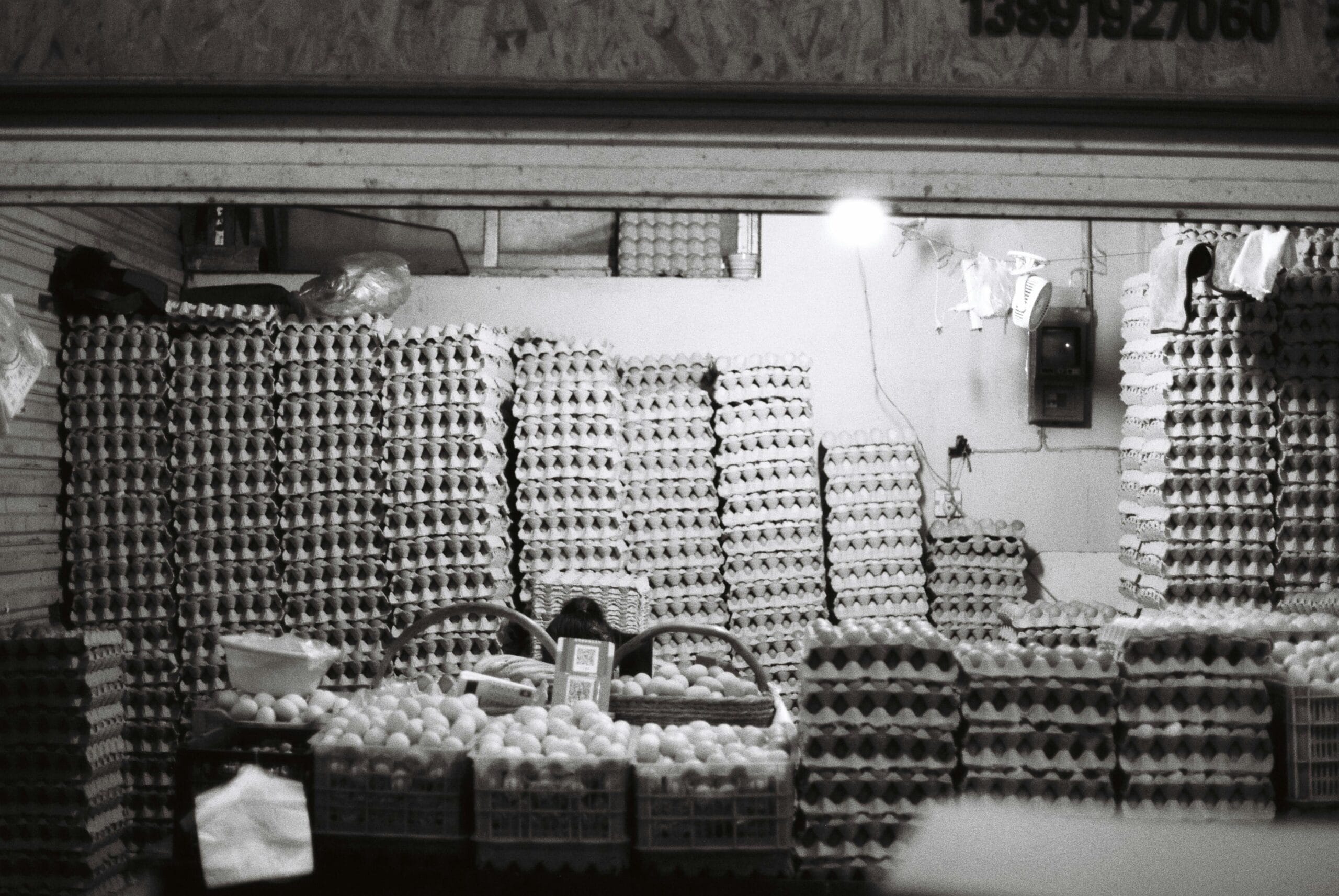
This post advocates for the thoughtful purchase of goods at scale. Buying in bulk allows you to get more for your money, but can quickly lead to waste if you aren’t careful. More is better, but only if you can afford it and put it to good use.
More is Better, So They Say
I am a man who loves getting the most out of his time and money. From the website title alone and reading any of my passages, this should be clear. Therefore, I often toil with whether I should be buying goods in bulk.
I generally try to buy the largest quantity of a good available that makes sense for my lifestyle (my small household doesn’t need a 50lb bag of rice no matter how competitively Costco prices them). Unless you’re buying small batch goods or certain fancy soaps, we generally get a better price when we buy more of something at once.
Larger quantities can also be bundled into more efficient packaging, leading to lower amounts of waste. In short, if we can afford to purchase more and use what we buy before expiration, it makes sense to err on the side of more.
Buying More as a Concept
In the introductory study of economics, we are familiarized with the concept of economies of scale. As we buy more, get more, and/or do more of something, we tend to become more skilled and/or be able to purchase more for cheaper.
Take bulk stores: you can buy two dozen bagels at Costco for a better price than you would be able to at your local grocery store. You have to buy larger quantities (and sometimes limited varieties), but these quantities come at a better price.
Buying at scale provides both sides advantages because larger sales allows the seller to sell more with fewer transactions, reducing labor per good sold, and buying more at once often yields lower prices per quantity, as previously discussed. Buying scale is great for a lot of things (I can get some bangin’ deals on pasta if I buy it at Costco, with the caveat that I have to be open to the varieties Costco lists for sale), but more of something is only valuable if we are able to use it.
Avoiding Waste
Buying something in larger quantities only makes sense the purchase fits our home system. How do you know if these goods fit your system? Good question. I ask myself three questions before I decide to buy a large quantity of something:
- Can I afford the goods/ does the purchase make financial sense?
- Can I store the goods?
- Will they last?
If I can afford to buy something (and the money isn’t better spent elsewhere), can store it practically, and can use the good before it goes bad, it might make sense to buy at a large scale. Oftentimes, I find myself tempted to buy more of a good at a better rate, only to realize that the amount purchased is simply impractical.
My small household is no smoothie shop, and I am hard-pressed to finish Costco’s two-pound buckets of berries and bunches of bananas bigger than my fruit bowl. The competitive prices do not help me because I never eat the fruits before they expire. Additionally, I just don’t need my counters full of oversized goods and the clutter would get in the way of my kitchen’s operation.
It is important to consider the shelf life of goods we want to buy in scale and whether we can freeze or store them more efficiently. Regular-use items with a long shelf life (ex. frozen dinners, dry goods, etc.) can be markedly more efficient when purchased at box store scale. However, a year’s supply of rice in the freezer means we have a year of less freezer space.
Final Thoughts
The best way to learn what makes sense for your lifestyle is to test and retest to better understand your needs. I am always trying to improve my food purchasing practices (if building effective practices interests you, consider reading more about building your home system or weighing tasks).
It is sad to see food go to waste when it could have been better used in other households if given the opportunity. Similarly, money wasted means less available for everything else.
When we weight our purchases with an eye toward our values, objectives, and a sustainable future, we can help make sustainable shopping part of our lifestyle.
Any suggestions? Let me know!
-G
3 responses to “Buying in Bulk”
We are a family of three, and I don’t like buying in bulk. It just doesn’t make sense to me. The only thing I’ve ever bought in “bulk” is my safety razors. I bought a box of 100 on Amazon three years ago, and I think I still have about two more years’ worth before I need to reorder. The only reason I did that is because I refuse to pay for five razors when I can buy 100 for the same price. Safety razors are much better than those expensive plastic ones.
This is the struggle. Buying in bulk is great when we have a larger household or need goods that don’t go bad, but it isn’t practical for everything.
Razors, shampoo, and other toiletries are generally much cheaper when purchased in a larger quantity. The larger quantities often also result in less packaging per amount of product.
I wish buying at scale were easier to do for our home staples (i.e. healthy food), but it’s hard to get a lot of food that we can use before it goes bad (especially if we want to avoid aggressively processed goods).
Does it make the most sense to go to local restaurants? We like to cook because we know what goes into the food and we expect it to be more cost effective, but if we utilize local eateries as community staples, they can get foods at a larger scale, hire professionals to make the foods (saving us cooking time), and let us eat healthy while restructuring our community interaction.
Just food for thought.
Great point about local restaurants. We take a break once in a while and eat at a local place to support the local economy. I think HelloFresh and similar companies that provide fresh ingredients for home cooking are also good alternatives for singles or couples without children.