This post is about creating flexible habits that let us keep growing toward our growth. Sometimes, we are best accepting the small things and living life with grace. We do not always get a good night’s sleep or live a perfect 5 to 9 before our 9 to 5, and we must treat ourselves with patience and kindness if we want to be able to more easily get back on track.
The Scene
It’s dark. You’ve been out with friends. Tonight included a trip to a bar or restaurant and then time at home for some card games. Whatever happened, you’re here, it’s late, and the kitchen is calling.
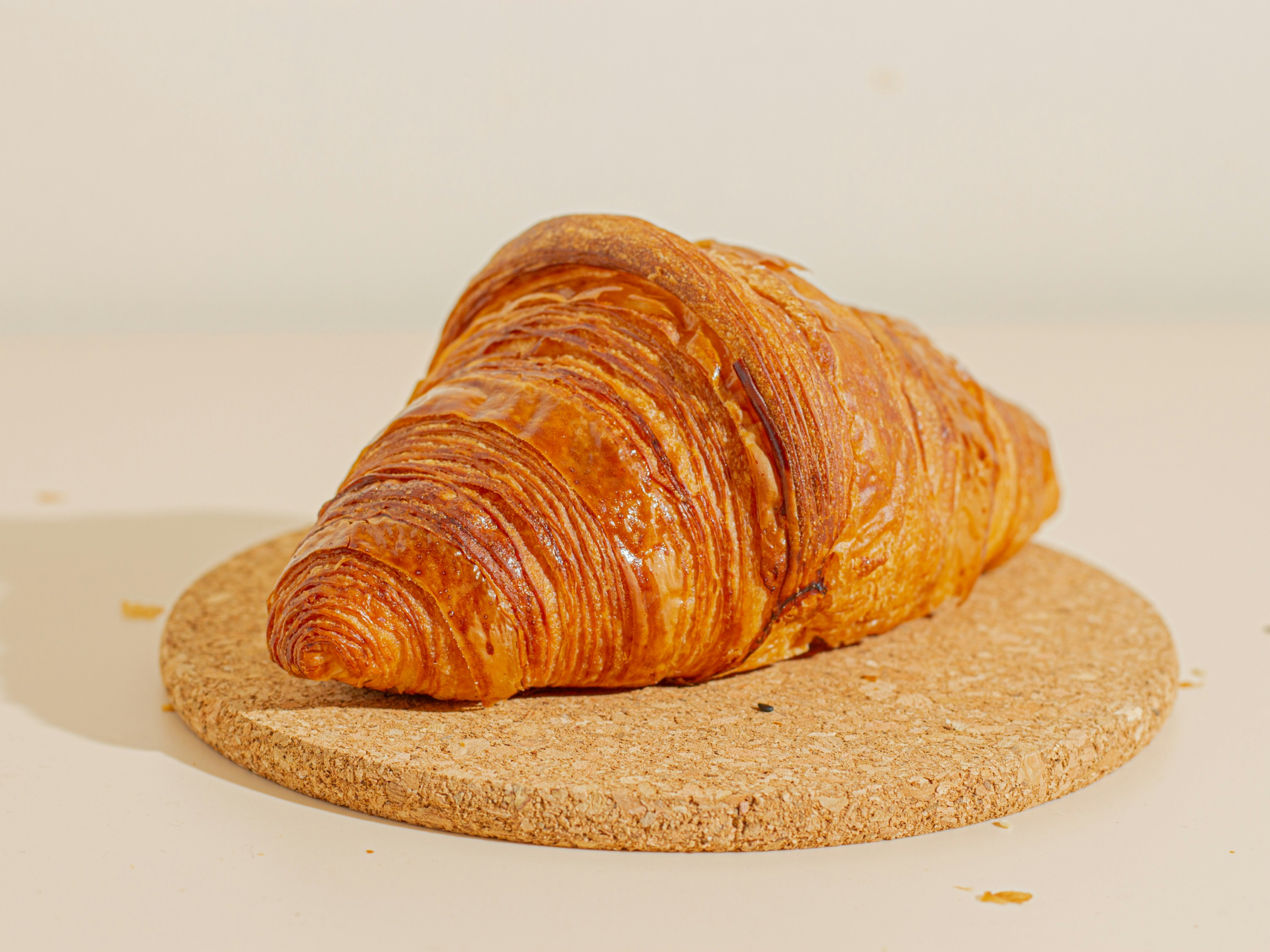
Maybe you know. Maybe you haven’t openly come to terms with it, but your heart has decided what’s coming. Regardless of your state of acceptance, you have a container of Costco Croissants, and (at least) one of those bad boys is going down before the night ends.
“You’re not supposed to eat at night!”
“Late snacking isn’t good for you!”
“Do you really need a croissant at 1 A.M.?”
Sometimes, these questions resonate as we approach suboptimal situations. Other times, we don’t hear the echo of our internal director until the next day.
We aren’t always set up for success. Sometimes, the situations we create or circumstances we occupy lead us to making decisions that are less than perfect for our goals. If we wish to be able to smoothly get back on track, we have to learn to build flexible habits so that we can best navigate imperfect situations and treat ourselves with grace as needed. After all, sometimes the late night snack is happening whether we like it or not.
Life Isn’t in a Vacuum
So often, we are taught to construct our lives as if we lived alone on an island. We are told to wake up at the exact same time every day, eat consistently, work hard in a predictable manner, and prioritize sleep above all else. Our habits are often created in this sort of isolation, offering no room for flexibility.
This advice is helpful in theory, but often doesn’t account for life’s variability.
- How am I supposed to wake up the same time everyday when my puppy wakes us both up unpredictably?
- My job has unpredictability built in, how could I work on the same schedule?
- I’m on school break, how am I supposed to keep the same schedule?
- How can I go out with friends and have fun if I have to be in bed the same time every day?
So much depends upon others. When we get up might fluctuate based on our family situation, and our work often requires the input and physical presence of other people. While we may be able to conceptualize an existence within rigid parameters, they generally aren’t always possible.
Building flexible habits helps us continue progressing toward our goals.
If we can’t maintain habits after slightest bit of variance, our practices are not sustainable in the real world. Sometimes, less-than-perfect situations occur. Learning how to approach suboptimal conditions with flexible habits helps us bounce back from challenges and continue moving steadily toward our goals.
Approaching Suboptimal Conditions
Let’s say that this year you’ve made it your goal to eat healthier. You are not happy with your past diet, and you believe that healthier eating practices will make it easier for you to achieve your preferred weight and maintain consistent energy throughout the day. Therefore, you have implemented a strict diet.
That’s great, but this Friday your buddies are hosting a pizza party, and it’s one you don’t want to miss.
What do you do?
Recognize the Situation
We can often recognize suboptimal situations as we approach them. If we take time to consider how our future activities might challenge our choices, we can better prepare ourselves to learn where to act flexibly and where to stand our ground.
The upcoming event presents a social situation for you to spend time with friends. As you grow older, these parties seem to come less often, making each one more important to you. As it’s a pizza party, you expect to be heading over around dinner time and eating there.
You know a pizza party is unlikely to align with your diet goals. Health foods will be replaced by beer and snacks, and it’s quite likely that the only semblance of a vegetable will come as accoutrement of fried chicken or dipping sauce.
To pizza party or stay at home, that is your question.
Consider its Scope
Part of recognizing a situation is to consider the scale at which the occurrence interacts with our regular life. Is the situation life-altering, or does it merely change your location and diet for a night?
A better understanding of the scope of our suboptimal situations helps make it easier to recognize how they challenge our goals. If the situation is brief, we might benefit from giving ourselves flexibility so that we can spend more time having fun with the people who matter.
As previously mentioned, the presented situation considers a pizza party on a Friday night with friends. These events are becoming more sporadic, and the party is only scheduled to last for the night.
With that information in mind, you can better understand your risks from the situation.
Risks from Deviation
The risks associated with a situation or deviation from a habit are personal questions that depend on the individual and the habit. If you have struggled with cigarette addiction, sneaking a loosie with the boys after a night of drinking might be all it takes to get back into the bad habit. At the same time, a slice of pizza in a social setting when you’re generally trying to eat better might not carry the same risk to your progress.
As much as you need to consider risks of deviation from your own goals or habits, you also have to consider deviation from the group. Deliberately separating yourself in a social setting, especially when perceived as a pompous act to make you seem better than others, can garner negative attention in a group. It’s one thing to want to be better, but if you do it in a way that makes others feel bad, you are likely to offend others and make them less likely to include you in future situations.
We will consider both below in relation to the example.
Deviation From Diet?
It’s the beginning of the New Year, and you want to eat better. You are invited to a pizza party that will definitely not have health foods, but it’s a one-off event.
How will deviation from your diet impact you?
If you believe that deviation from your diet will make you doubt the diet as a whole, leading to future deviations or non-adherence to the diet, you may not want to have the pizza. If, instead, you believe that it’s no big deal to have a piece of pizza and it might provide you a nice reward for your good eating so far, there is little harm in having the pizza.
This is a question for you to consider in the context of your history, friends, and attitude toward your goals. As is the next question below.
Deviation from Eating Pizza/Snacks?
How much of a difference does it make to the social experience if you don’t eat the pizza?
Maybe your friends will razz you a bit, but will the whole event be ruined because you don’t have a slice? Will you feel comfortable going to a pizza-themed event and not having pizza?
If your goal is to have the social outing, you might not care too much about actually eating pizza when you’re there. If you are sensitive to your diet and think your friends will give you a hard time, you might struggle not having pizza (if that’s the case, is the pizza party really in your best interest? Also, are these even your friends if they don’t want you to succeed? I certainly razz my friends, but I always look toward their best interest in the end. I am happy when my friend succeed).
Your relationships will best answer this question. If you have a good relationship with your friends and really don’t want the pizza, there’s little issue not eating it. If you struggle avoiding food or don’t see the need to, you might resolve the problem differently.
Recovery
Recovery is the process by which we return toward a focus on our goals after engaging with suboptimal conditions.
Let’s say we spent the night at the pizza party, slapping down slices with the homies. How do we then get back on track with our healthy eating goals?
The process of recovery often depends on the nature of the deviance. If we only had a slight shift away from our healthy diet, we might feel that we can get back on track by planning healthy meals for the next day and keeping off the slices for a while.
If, instead of a pizza party, we had a long school break for the holidays that was full of overeating, we might want a more deliberate effort to get back on track with our goals. I find that regardless of the deviation, flexibility helps me recover from suboptimal conditions and keep an eye toward my overall goals.
Giving Yourself Flexibility to Keep On Track
In order to confidently maintain our habits in real-world settings, we are wise to give ourselves flexibility. The world is unpredictable by nature, and while we might be able to plan or schedule somethings, much of what we do relies on variables outside of our control.
I find that giving myself flexibility helps me realistically interact with the world around me while constantly pursuing my goals. When I rigidly maintain my meal times or bedtime ritual, I lose the ability to take impromptu lunch dates with my wife or host my brothers when they pass through town. If I need to workout at the same time each day, I miss chances to take a run in the noon sun or feel in tiptop shape during a pick up game at the park.
If our goals are important, we will want to pursue them. Sometimes, structure is the best way to get on track and keep going in the right direction. At the same time, we can’t control everything and have to accept that our situations may lead to missteps.
Accepting Missteps With Grace
We aren’t perfect.
Sometimes, no matter how hard we try, we run into a situation that causes us to act in ways that do not align with our goals. Maybe we thought we’d sneak in a workout after work only to find that the day at the office was too tiring to consider the gym afterward. Maybe still we thought we’d could avoid the cookies until we realized grandma’s cookies were on the table.
We do not need to punish ourselves for each mistake in order to express the value of our goals. In fact, I find that when we are too critical of ourselves, we make it harder to achieve our goals and enjoy our lives.
It’s important to passionately pursue our goals. However, we can make mistakes. As we grow and exist, we are exposed to new chances to learn and try. If we give ourselves more grace when we err, we make it easier to stay on track. That is, of course, if we keep our end goals in mind.
Keeping End Goals In Mind
Why is it that we embarked upon this habit in the first place? Do we need to get healthier, lose weight, or do we simply no longer enjoy the foods we had been eating in the past?
Understanding our reasons for creating habits and our end goals makes it easier to continue building and improving our decision making.
So often, we embark upon habits with lofty goals in mind only to lose sight of them as we go along. When we lose sight of our goals, we often lose sight of the value in the habits and decision-making processes we have been trying to create. Without a clear understanding of values and goals, decisions have less consequence, making them harder to follow and easier to distort.
A good understanding of our goals helps us assess situations and determine how rigidly we must follow our habits.
If we find that we have been succeeding in our goal of losing weight with a somewhat strict diet, we might feel more comfortable accepting a pizza night or two. If instead, we hyper fixate on the foods we are consuming rather than the goal of losing weight, we might avoid foods of little consequence simply because they do not fit the habits we are creating on the fly.
Our goals should dictate what we do. When we keep our goals in mind, we make it easier to assess our progress and understand where we need to grow. Without goals, we lose the stakes in our habits and set ourselves up for confusing paths and failure.
Conclusion
Life is a continuous process of testing and building toward an end goal. In pursuit of our desires, we often construct habits and frameworks to better understand life.
Frameworks are helpful, but life’s variability can often make our strict routines or ideals unfeasible. While we can beat ourselves up for each and every mistake, I find that we can most easily succeed when we build flexible habits that consider challenges ahead, how they might impact our goals, and what we can do to get back on track should we falter.
If we don’t give ourselves the chance to enjoy life and make mistakes, we might never be happy living in the world we occupy.
So I ask you, dear reader, to take a moment and consider whether that 1 A.M. Costco croissant really will ruin your diet and progress. More often than not, I’d venture out to guess that it’s a risk you should be willing to take.
Thoughts? Questions? Croissant recommendations? Let me know!
-G
If this post interests you, consider reading more at The Pitch!
One response to “Flexible Habits—The 1 A.M. Costco Croissant”
But a smiling visitant here to share the love (:, btw outstanding pattern. “He profits most who serves best.” by Arthur F. Sheldon.