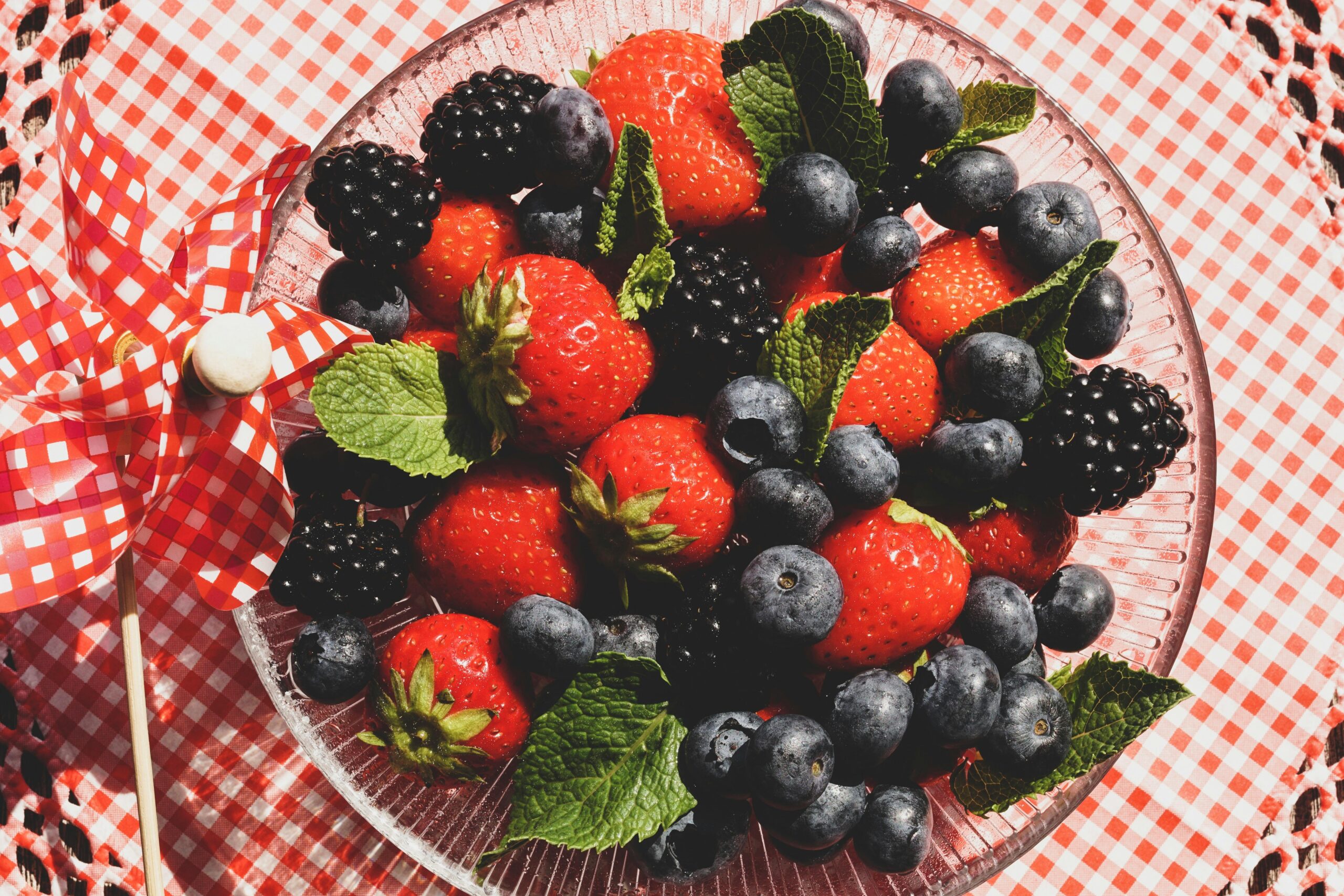
This post is designed to help readers learn how to check produce. Fruits and vegetables are central to a balanced diet, and we benefit when we learn what’s in season, how to pick it, and how much to get.
Fruits and vegetables are food essentials that can add fun and freshness to any meal. However, fresh produce quickly varies in flavor and texture, and a fruit that’s good one day might be bad the next. It’s important that you pay attention to what you’re buying so you can stay safe, healthy, and pick good produce that lasts.
Below are some suggestions to help you consistently pick the best produce.
Pick Quality Goods
No matter how much checking you do, you can’t use timing to compensate for low quality.
You may be wondering what makes a fruit low quality. Am I telling you it’s the tree’s fault?
Different types of produce have preferred conditions and seasons. When we buy outside of these bounds, chances are, we aren’t getting the produce at its peak.
Similarly, sometimes goods are produced in ways that extend/eliminate their seasons (indoor growing or hydroponics, for example) or lower their price. These goods may meet the standard to be qualified as an apple or orange, but they don’t always taste like their locally-grown competitors. If we see something on a major sale (or eye-catchingly cheap in general), we should be wary (discussed more below)!
It’s easy to tell someone to pick quality goods, but how does one know whether produce is right or not? Often, this comes down to experience.
Learn What You Like
We have tremendous access to fruits and vegetables (just look at how many apple varieties there are!). Given the wide range of choice, it’s useful to take time to learn what we like so that we can better recognize positive features.
For example, I love a good Bosc pear when it’s in season. After trying dozens of kinds of pears, I find that the Bosc variety has the right crunch, texture, and flavor profile for me.
Once I established Bosc pears as a daily driver, I began to get more and notice the differences between them. At first, I couldn’t tell when one was ripe and would often bite into them too early or wait too long. Over time, I learned the optimal squish factor (that’s a technical term) so that I could pick (read: buy from a grocery store) some ripe ones and a few less-ripe ones for later in the week.
When I better know my produce, I can select it so that it lasts and is ready for when I need it.
Note: we do not need to stick to a single fruit or variety, and it’s generally advised that we diversify the types of food we eat for a more balanced diet. However, I am seeing more about the benefits of keeping our diets consistent for gut health, so feel free to challenge me and provide research!
Buy in Season
A fruit in peak season is best.
As we go to the grocery store more often, we are forced to recognize that the produce selections vary from season to season. While hydroponics and advanced shipping techniques give us access to fresh goods year round, it’s hard to beat fresh, locally-grown produce.
Learning to buy in season is a process of understanding your local community and environment.1 When we take time to think about our seasons, local produce, and weather conditions, we can learn a lot about the places we spend our days and what naturally occurs.
This information is often imparted to us as part of our upbringings, but that doesn’t mean we can’t learn it wherever we go. Sometimes, we move somewhere new with a different climate and unique fruits. This doesn’t mean we can’t have fresh fruits!
Take a little time, talk to locals and try to get the fresh things from your community as they come.
1Note: this community can and is often happy to help you pick good produce! Take the chance and ask for help, especially if you see someone buying the produce you want. You will improve your chance of buying good produce and become a more active participant in your local system.
Buy Individually
I find that I generally get better produce when I pick each one I purchase. Sometimes the convenience of a prepackaged assortment of produce is easiest, but I find that these packages generally hide inferior goods, increase waste, and reduce our available information about the goods we plan to purchase.
If in Packaging, Check Closely
If the selection of individual fruits is lacking (or nonexistent, as is the case with most grocery store berries), it may be in our interest to purchase prepackaged produce.
We should spend extra time assessing prepackaged produce because the information is limited and we generally buy multiple servings’ worth. A tried and true method beyond looking around the container is what I call the Flip Test.
The Flip Test
The Flip Test is my preferred way to check prepackaged produce. As the name implies, we are going to be flipping the package over (groundbreaking!). While it’s not rocket science, there is an art to getting good information from the Flip Test.
The Flip Test provides two benefits. First, you are presented a new angle for the produce, allowing you to know a bit more about what you’re purchasing. Second, you can get a sense of how long the produce has been there.
When you conduct the Flip Test, pay careful attention to the bottom of the packaging while you flip. If produce (especially berries) tends to stick to the bottom of the container, they’ve likely been sitting there a while. These sitting and mushy berries are probably closer to expiration (if not already gone by!), meaning we want to avoid them. Additionally, the mushy bottom berries are more likely to develop mold, making it all the more important to check the bottom of the berry box.
Fewer is Generally Safer
While not explicitly advice for picking good fruit from bad, my recommendation to err on the side of less produce is a check on our overall produce purchasing so we don’t create excess waste.
When we shop for food, we are almost always presented a variety of deals. Instead of one apple, we may be able to buy four for the price of three! Larger quantities of produce are generally more cost effective (check my post on buying in bulk to discuss this concept further).
Deals can be great, but we must ask whether we actually need the amount we are incentivized to purchase.
For example, it’s a better price to buy a few pounds of apples as opposed to one or two, but that money goes to waste if we won’t eat more than a few. Similarly, if we can’t finish the lettuce in a few days, it will probably go bad before we get to it.
Additionally, we have to look at actual goods offered as deal. For example, we may see a deal on apples because it’s a poor quality batch or many are damaged.
A good deal is only a deal if it fits our need and standards.
Conclusion
What we eat is central to how we live. Fruits, vegetables, and other produce are key ingredients to a balanced diet.
If we want the best fruit, we have to take time to learn about what we like, when it grows, and what sets the good ones apart. Remember that we live in communities, and these communities are happy to help. Additionally, check online for fruit guides to understand your specific fruit of interest!
As always, it’s important that we keep our waste to a minimum. Learning how to check produce will help avoid expired goods and purchasing more than we need. After all, mindful money management here means more for everything else!
Happy hunting!
Questions? Food tips? Favorite fruits? Let me know!
-G
Want to learn more? Consider reading The Pitch to see what EfficientlyELITE is all about!