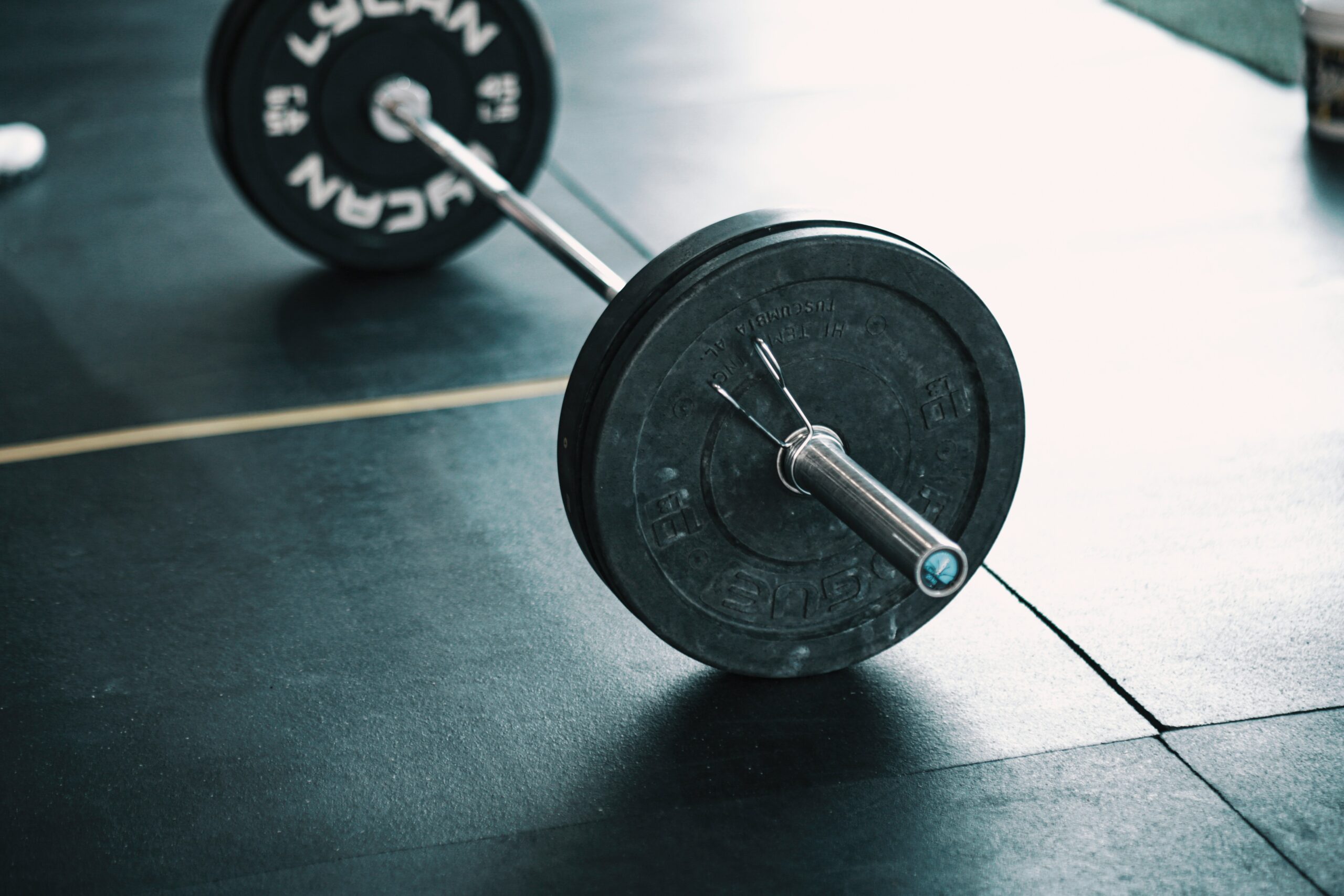
There is a difference between developing our entire physical well-being and adhering to general fitness guidelines that do not account for our expected use cases.
Central to humanity is the potential to choose differently from others. We can have our own interests, passions, and priorities. In pursuit of our unique passions and circumstances, we may encounter different breakdowns of our muscle usage. We should take these uses into account if we want to get better at what we actually do.
What Are You Doing?
Yes, going to the gym is better than not exercising. Additionally, following a workout routine that targets all major muscle groups is better than only doing one movement. However, these benefits do not mean that generalized fitness is the best way to develop your physical form.
When I say generalized fitness, I refer to the typical gym-centric workout routines that focus on evenly distributing our workouts and time across different major movement patterns (commonly: push/pull splits, upperbody/lowerbody, or muscle region focuses each day like chest Monday, back and biceps Tuesday, legs Wednesday, etc.)
Our work should seek to reach beyond basic mechanical studies and strive to make us better at what we regularly do. For example: if we work in a manual labor job, we require more upper body strength and durability on a day-to-day basis when compared to an office worker. Similarly, our avid hiking hobby presents more strain than had we instead chosen to take up quilting.
We should learn how our bodies work. In this pursuit, we need to consider the individual natures of our existences so that we effectively prepare for our wants and needs.
Why Generalized Fitness Doesn’t Create Results
That was a bait heading and you know it.
It’s not that generalized fitness doesn’t create results. Rather, the issue is that general fitness strategies focus on allocating time a wide array of basic movements rather than developing movements based on need.
We all have interests. These interests are great motivators for fitness, as we are more likely to do something we are interested in. If we can identify active interests we enjoy, they can serve as exercise and help us improve how our bodies work. Our fitness strategies should take these interests into account. Otherwise, we’re making exercise into the activity and wasting time.
Getting Lost in the Numbers
We humans tend to want to be good at what we do. In this pursuit of good, we look for ways to prove that what we’ve done is successful and productive. While this is great for a lot of applications, I find that an adherence to numbering systems largely poses excess work in the world of fitness.
Have you ever noticed the detail with which people track their workout breakdowns? You could start wars in most gyms by refuting the efficacy of 3×12 repetition splits in favor of a 5×5 or continued sets to failure.
Hitting “Standards” of Strength
Achieving maximal gym results is a science that requires substantial time and work. Tinkering with rep and set brake downs, routine tempos, and workout ordering can easily drain your day.
I cannot comment on the efficacy of one workout split when compared to another. Rather, I can say that it doesn’t seem to matter for most.
Societal fitness guidance overweighs the importance of these techniques and metrics in the general study of fitness. We are told that we need to get all our numbers up; that we need to bench 225, squat 315, and deadlift 405; and that we have to focus on the gym as our central hub for fitness.
How often are you picking up several hundred pounds off the ground?
Applicability for One is Not for All
Yeah, I know someone read that and yelled at their computer. Again, if you are regularly picking up heavy things, you should train yourself to be better at doing that. My office worker friends (hah) and I will do so as we wish, but I caution overdoing it for the sake of metrics.
In addition to using metrics to judge the efficacy of a particular activity or style of training, we also use them to compare ourselves to others. Since I first started regularly going to the gym in the 6th grade, I was flooded with comments about how my core lifts compared to others (I’ll admit, I was into the numbers myself, wanting a bench max to match the big guys). Comparison is natural.
As I’ve mentioned before, however, time is finite.
If we seek to compare ourselves gym numbers to everyone, we will always come up short somehow. Time spent to build a good bench may come at a cost to our cardio endurance or calisthenics prowess. Pumping more time into the gym means less out of it. Is all this time for strength what I need?
When we go through each day, we decide to spend our time in certain ways. Time is limited and different allocations will yield different results.
Learn to Move, Improve What you Want
Generalized fitness is great in the sense that it aims to teach people to value all of their muscles and ranges of movement.
We each have our own bodies to study and improve based on our unique skills and interests.
Generalized fitness fails when it doesn’t push people to learn what they enjoy and leave number counting for building knowledge of our systems. We have very complex abilities to move, yet we only tend to emphasize adding power.
We can refine our precise movement and muscle control to fit our activities. We can learn to jump higher, get off the ground more quickly, and move incredible amounts of weight. At the end of the day, we have to pick what we enjoy and study it.
Don’t let people tell you how you have to spend your day, or you will never have time for what you enjoy.
Questions? Thoughts? Do you want to tell me how much YOU bench? Let me know!
-G
Want to learn more? Consider reading The Pitch to see what EfficientlyELITE is all about!